

Sustainable Development Trends: Reducing Solar Heat Gain in Modern Stirling Properties
Sustainable Development Trends: Reducing Solar Heat Gain in Modern Stirling Properties
The landscape of Stirling is changing rapidly, evolving from its traditional roots into a vibrant hub for modern real estate development. As more people seek the perfect balance between small-town charm and contemporary living, developers are focusing on creating homes that are not only beautiful but also highly efficient. One of the biggest challenges in this new era of construction is managing the internal temperature of buildings that feature large, expansive windows. To address this, many homeowners and developers are turning to experts like Tint by Designs to integrate advanced window solutions that keep homes cool without sacrificing the stunning views that make Stirling properties so desirable. In this article, we will explore the latest trends in sustainable development and how reducing solar heat gain is becoming a priority for savvy investors and residents alike.
Sustainability is no longer just a buzzword in the real estate industry; it is a fundamental requirement for long-term value. In Stirling, where the community takes pride in its natural surroundings, building with the environment in mind is a natural fit. Reducing solar heat gain is a critical part of this mission. When we talk about solar heat gain, we are referring to the increase in temperature within a building caused by solar radiation. While sunlight is a welcome sight, especially during the colder months, the intense rays of the summer sun can turn a modern, glass-heavy home into an oven. This forces air conditioning systems to work overtime, leading to higher energy bills and a larger carbon footprint.
The Evolution of Modern Architecture in Stirling
Modern architecture in Stirling has embraced the “open concept” lifestyle, which often includes floor-to-ceiling windows and glass doors. These features are designed to blur the lines between the indoors and the outdoors, allowing residents to feel connected to the beautiful Ontario landscape. However, these large glass surfaces are also the primary entry points for solar energy. Without proper management, the very features that make a home look luxurious can make it uncomfortable to live in during the peak of summer.
Developers are now looking at ways to mitigate this heat without hiding the windows behind heavy curtains or blinds. The goal is to maintain the aesthetic appeal of the property while ensuring it remains energy-efficient. This is where sustainable development trends come into play. By using clever orientation, specialized building materials, and high-tech glass treatments, the industry is finding ways to keep the light in and the heat out. This evolution is vital for maintaining property values in a market that increasingly prioritizes green living and low utility costs.
The Greenhouse Effect in Residential Spaces
When sunlight passes through a standard pane of glass, it is absorbed by the floors, walls, and furniture inside the room. These objects then radiate that energy back as heat. Because glass is very good at letting light in but less effective at letting that radiated heat back out, the interior temperature begins to rise. This is known as the greenhouse effect. In a modern Stirling home with multiple south-facing windows, this effect can be quite dramatic, leading to temperature imbalances where one room feels like a sauna while the rest of the house remains cool.
Why Solar Heat Gain Control is Essential for Sustainability
From an environmental perspective, the energy used to cool a building is a significant contributor to greenhouse gas emissions. As Stirling grows, the collective energy demand of its residential sectors increases. By focusing on reducing solar heat gain at the source—the windows—we can significantly lower the amount of electricity required for air conditioning. This not only helps the individual homeowner save money but also reduces the strain on the local power grid, contributing to a more resilient and sustainable community.
Furthermore, sustainable development is about longevity. High levels of solar radiation don’t just heat up a room; they also bring in harmful UV rays. These rays are responsible for fading expensive hardwood floors, artwork, and upholstery. By controlling solar heat gain, we are also protecting the interior assets of the home. This holistic approach to sustainability ensures that the property remains in top condition for years to come, which is a major selling point for real estate investors looking for durable assets in the Stirling area.
Improving the Energy Step Code Compliance
Many regions are adopting stricter energy step codes that require new builds to meet specific efficiency targets. Stirling is no exception to the trend of rising standards. Reducing solar heat gain is often one of the most cost-effective ways to meet these requirements. Instead of investing in massive, expensive HVAC systems, developers can invest in better building envelopes. This proactive approach is a hallmark of modern, forward-thinking real estate development that benefits everyone involved.
Innovative Solutions: The Role of Window Films
While there are many ways to manage heat, one of the most effective and popular trends in Stirling today is the use of high-performance window films. This is a specialized field where professional installers can make a massive difference in a building’s performance. For those looking for the best in the business, Tint by Designs offers a range of solutions tailored to modern properties. Their expertise allows homeowners to enjoy the benefits of natural light without the negative side effects of heat and glare.
Window films work by reflecting and absorbing a significant portion of the sun’s infrared radiation before it even enters the home. Unlike traditional window treatments like shades or drapes, film doesn’t block the view. You can still look out over the rolling hills of Stirling while your home stays significantly cooler. This technology has come a long way in recent years, with ceramic and nano-technology films providing incredible heat rejection while remaining virtually invisible to the naked eye. It is an elegant solution to a complex problem.
Cost-Effectiveness and ROI
For real estate investors, the return on investment (ROI) is a primary concern. Installing high-quality window film is one of the few home improvements that pays for itself over time. The reduction in monthly cooling costs can be substantial, often leading to a full payback within a few years. Additionally, because the HVAC system doesn’t have to work as hard, it lasts longer, saving the owner thousands of dollars in premature replacement costs. It is a smart financial move that also happens to be great for the planet.
Integrating Passive Design Principles
Beyond window treatments, sustainable development in Stirling is also embracing passive design. This involves designing a building to take advantage of natural climate conditions. For example, strategically placed overhangs or “brise soleil” can block the high summer sun while allowing the lower winter sun to enter and warm the home. This natural regulation of temperature is a key component of modern sustainable architecture.
Landscaping also plays a vital role. Deciduous trees planted on the southern side of a property provide natural shade during the summer. Once they drop their leaves in the fall, they allow sunlight to pass through, helping to heat the home naturally during Stirling’s cold winters. When these passive strategies are combined with active solutions like the window tinting provided by Tint by Designs, the result is a home that is perfectly in tune with its environment. This synergy is exactly what modern buyers are looking for in a community-focused development.
The Importance of Thermal Mass
Another trend is the use of thermal mass, such as concrete or stone flooring, which can absorb heat during the day and release it slowly at night. When combined with solar heat gain reduction techniques, thermal mass helps maintain a very stable indoor temperature. This reduces the “cycling” of air conditioning units, leading to a much more comfortable and quiet living environment. It is these small details that elevate a property from a standard house to a high-performance home.
Enhancing Community Connection Through Greener Living
Stirling is a community that values connection—connection to neighbors, connection to history, and connection to the land. Sustainable development trends reflect these values by encouraging residents to take responsibility for their environmental impact. When a homeowner chooses to reduce their solar heat gain, they are participating in a larger movement toward a greener Stirling. It is a way of saying that we care about the future of our town and the comfort of our neighbors.
Moreover, modern developments that prioritize sustainability often attract like-minded individuals. This creates a neighborhood culture centered around innovation and care. Whether it’s through shared green spaces or a collective commitment to energy efficiency, these trends are strengthening the social fabric of Stirling. Real estate is about more than just buildings; it’s about the people who live in them and the legacy they leave behind for the next generation.
The Future of Stirling Real Estate
Looking ahead, we can expect to see even more integration of smart technology in Stirling homes. Smart windows that can change their tint based on the intensity of the sun are already on the horizon. However, for now, the most practical and effective way to stay ahead of the curve is to utilize the proven technologies we have available today. By focusing on reducing solar heat gain now, Stirling is positioning itself as a leader in sustainable rural-urban living.
Conclusion: Taking the Next Step Toward a Cooler Home
As we have explored, reducing solar heat gain is a vital part of modern, sustainable development in Stirling. From protecting your interior investments to significantly lowering your energy bills, the benefits are clear. Modern architecture shouldn’t mean sacrificing comfort for style. With the right approach, you can have the best of both worlds: a beautiful, light-filled home that remains cool and efficient even on the hottest summer days.
If you are a homeowner, developer, or investor in the Stirling area, now is the time to consider how these sustainable trends can benefit your property. We highly recommend reaching out to the professionals at Tint by Designs to discuss how their advanced window film solutions can transform your living space. Their team has the experience and the technology to help you achieve your sustainability goals while enhancing the beauty of your home. Don’t let the sun dictate your comfort—take control and invest in a cooler, greener future today.
The Finishing Touch: How Skilled Painters Bring Modern Sustainable Developments to Life
The Finishing Touch: How Skilled Painters Bring Modern Sustainable Developments to Life
When we look at the growing skyline of Stirling, it is easy to get caught up in the impressive architectural designs and the innovative energy systems that define our modern real estate landscape. We often talk about the strength of the foundations or the efficiency of the solar panels, but the true transformation of a building happens during the final stages of construction. This is where the expertise of professional painters becomes essential, as they provide the aesthetic and protective layer that turns a structural shell into a vibrant, sustainable home. By choosing the right finishes and applying them with precision, these craftsmen bridge the gap between industrial construction and the warm, welcoming community spaces that residents truly value.
The role of a finishing professional in a sustainable development goes far beyond simply adding color to a wall. In today’s market, especially within forward-thinking communities like Stirling, sustainability is a core requirement for both investors and homeowners. A high-quality finish acts as the first line of defense against the elements, preserving the integrity of eco-friendly building materials and ensuring that the property remains beautiful for decades. Without this critical final step, even the most advanced sustainable designs can feel cold or unfinished, failing to attract the investment and occupancy needed to make a project successful.
In this article, we will explore how the intersection of craftsmanship and sustainable technology is reshaping the way we view real estate development. From the psychological impact of color palettes to the technical benefits of low-emission coatings, the finishing touch is what ultimately brings a modern development to life. By understanding the value of these skilled trades, we can better appreciate the complex process of building communities that are not only environmentally responsible but also visually inspiring and built to last.
The Evolution of Sustainable Real Estate in Stirling
Stirling has seen a significant shift in its real estate market over the last decade, moving away from traditional construction methods toward more holistic, sustainable practices. This evolution is driven by a combination of environmental awareness and a desire for long-term financial stability. Investors are increasingly looking for properties that offer high energy efficiency and low maintenance costs. As a result, developers are focusing on “green” building certifications that require every component of the build—including the paint and finishes—to meet strict environmental standards.
Modern sustainable developments are designed to minimize their carbon footprint while maximizing the comfort of their inhabitants. This means using recycled materials, optimizing natural light, and ensuring that the indoor air quality is pristine. In this context, the finishing work is a vital part of the sustainability puzzle. It is no longer enough for a building to look good; it must also contribute to a healthy living environment. This shift has changed the way developers collaborate with tradespeople, prioritizing those who understand the nuances of eco-friendly materials and application techniques.
Furthermore, the community connection in Stirling is deeply tied to the local landscape. Sustainable developments here often aim to blend into the natural beauty of the surrounding area. This requires a sophisticated approach to exterior and interior design, where the finishes reflect the tones of the earth, sky, and stone found in the region. By rooting these new developments in the local aesthetic, builders can create a sense of belonging and continuity that makes modern structures feel like a natural part of the community’s history.
Why the Finish Matters for Property Value
From an investment perspective, the quality of the finishing work is one of the most significant factors in determining a property’s market value. While structural elements are important, they are often hidden behind walls or under floors. The paint, trim, and surface textures are what potential buyers and tenants see first. A flawless finish signals that the entire project was completed with care and attention to detail. Conversely, a poor paint job can make even the most expensive sustainable materials look cheap, potentially devaluing the property and making it harder to sell or lease.
Curb appeal is another critical element where the finishing touch plays a starring role. In a competitive market like Stirling, the exterior appearance of a development sets the tone for the entire neighborhood. High-quality exterior coatings protect the building from moisture, UV damage, and temperature fluctuations, which are common in our climate. By preventing rot and degradation, these finishes save owners thousands of dollars in future repairs. This long-term durability is a key selling point for sustainable developments, as it aligns with the goal of reducing waste and resource consumption over time.
Inside the home, the finish creates the atmosphere that drives emotional connections with buyers. Modern sustainable homes often feature open floor plans and large windows, which means that every wall is illuminated by natural light. This light reveals every brushstroke and texture, making the skill of the painter more apparent than ever. A professional finish ensures that the walls are smooth, the lines are sharp, and the colors are consistent. This level of polish creates a luxury feel that justifies premium pricing and attracts high-quality residents who are committed to the community.
The Science of Eco-Friendly Coatings
One of the most important advancements in the world of sustainable development is the rise of Low-VOC and Zero-VOC paints. Volatile Organic Compounds (VOCs) are chemicals found in traditional paints that “off-gas” into the air long after the paint has dried. These chemicals can cause respiratory issues, headaches, and other health problems for residents. In a modern sustainable development, protecting indoor air quality is a top priority, which is why skilled professionals now exclusively use advanced, eco-friendly coatings that eliminate these harmful emissions.
These modern paints are not just better for the environment; they are also technologically superior to the products of the past. Today’s eco-friendly coatings offer better coverage, higher durability, and more vibrant color retention. They are designed to resist mold and mildew, which is essential for maintaining a healthy home environment. For the developer, using these products is a way to “future-proof” the building, ensuring it meets the health and safety standards that will likely become even stricter in the coming years.
Applying these specialized coatings requires a specific set of skills. Because eco-friendly paints often dry differently than traditional oil-based or high-VOC paints, the professional must understand the correct application temperatures and techniques. This technical knowledge ensures that the finish is not only safe but also beautiful and long-lasting. By integrating science with artistry, these professionals help fulfill the promise of sustainable living: a home that is as healthy for its occupants as it is for the planet.
Color Theory and Community Connection
Color is a powerful tool in real estate development, capable of influencing moods and defining the character of a neighborhood. In Stirling, where community connection is a core value, the choice of color palettes in new developments is handled with great care. The goal is often to create a “harmonious” environment where the buildings feel connected to each other and to the natural world. This is achieved through color theory, which helps designers select shades that evoke feelings of calm, stability, and warmth.
In sustainable developments, we often see a move toward “biophilic” design—a concept that seeks to connect people more closely with nature. This translates to interior and exterior colors that mimic natural elements, such as soft greens, warm terracottas, and cool stone grays. These colors have been shown to reduce stress and improve well-being, making the homes more desirable to live in. A skilled painter understands how these colors interact with the specific lighting conditions of a site, ensuring that the final result matches the designer’s vision and the community’s expectations.
Beyond the individual home, the use of color can help define public spaces and shared amenities within a development. By using consistent color accents across a project, developers can create a sense of identity and pride among residents. This visual cohesion encourages people to take care of their surroundings and interact more with their neighbors. It is the “finishing touch” that transforms a collection of buildings into a true community, where people feel a sense of ownership and belonging.
The Role of Craftsmanship in Sustainable Longevity
True sustainability is about more than just using “green” products; it is about building things that last. In the world of real estate, longevity is the ultimate form of environmentalism. Every time a building needs to be repainted or repaired due to poor workmanship, resources are wasted, and the carbon footprint of that property increases. This is why high-level craftsmanship is a cornerstone of sustainable development. A professional application ensures that the paint adheres perfectly to the surface, creating a seal that protects the structure for the long haul.
Skilled tradespeople bring a level of precision that machines and DIY efforts simply cannot match. They understand how to prepare surfaces—sanding, priming, and repairing imperfections—before a single drop of paint is applied. This preparation is 90% of the work and is what determines whether a finish will last five years or fifteen. In Stirling’s high-end sustainable market, this attention to detail is what separates a standard build from a landmark property. It ensures that the investment remains protected and that the building continues to look new even after years of exposure to the elements.
Furthermore, professional craftsmanship reduces waste during the construction process. Experts know exactly how much material is needed for a job, minimizing over-ordering and disposal of unused paint. They also have the tools and experience to apply the product efficiently, reducing drips, spills, and the need for “re-work.” This efficiency is a key part of a sustainable business model, allowing developers to deliver high-quality results while staying within the environmental and budgetary constraints of a modern green project.
Future-Proofing Developments Through Aesthetic Excellence
As we look toward the future of real estate in Stirling, it is clear that the demand for sustainable, beautiful homes will only continue to grow. To meet this demand, developers must focus on “future-proofing” their projects. This means creating designs that are timeless rather than trendy. A classic, high-quality finish is a major part of this strategy. While bold trends might attract attention in the short term, they can quickly become dated, leading to a cycle of renovation and waste that contradicts the principles of sustainability.
Aesthetic excellence also plays a role in the social sustainability of a development. When a building is beautiful and well-maintained, it contributes to the overall health and happiness of the neighborhood. It encourages further investment in the area and helps maintain high property values for all residents. By investing in top-tier finishing services, developers are not just completing a project; they are contributing to the long-term vitality of the Stirling community. They are creating landmarks that will be cherished by future generations.
In conclusion, the finishing touch is the essential final chapter in the story of any modern sustainable development. It is the point where technical engineering meets human emotion. Through the skilled application of eco-friendly coatings, the thoughtful selection of colors, and a commitment to lasting craftsmanship, professional painters bring these buildings to life. They ensure that our homes are healthy, our investments are secure, and our communities are beautiful. As Stirling continues to grow and innovate, the value of this “finishing touch” will remain a vital component of our shared success.
Conclusion
Building a sustainable future requires more than just high-tech gadgets and efficient insulation; it requires a commitment to quality at every stage of the process. The final layers of a development are what the world interacts with, and they carry the weight of both the building’s protection and its personality. By valuing the work of skilled professionals who specialize in these finishes, we ensure that our modern developments in Stirling are not only environmentally sound but also deeply connected to the people who live in them. The finishing touch is truly where a house becomes a home and a development becomes a community.
Sustainable Upgrades: How Modern Real Estate Development is Embracing Eco-Friendly Remodeling
Sustainable Upgrades: How Modern Real Estate Development is Embracing Eco-Friendly Remodeling
The landscape of real estate is changing faster than ever before. In growing communities like Stirling and across the Greater Toronto Area, homeowners and investors are looking for ways to modernize their properties while staying kind to the planet. If you are planning a home renovation toronto projects are often at the forefront of this green revolution. Today, sustainable living is no longer just a niche trend; it is a core component of modern real estate development. People want homes that are healthy, efficient, and built to last, which has led to a massive surge in eco-friendly remodeling practices.
Sustainable upgrades offer a unique opportunity to blend high-end design with environmental responsibility. Whether it is a full-scale home transformation or a targeted kitchen update, the goal is to reduce the carbon footprint of the building while increasing its overall market value. Investors are noticing that “green” homes sell faster and often command a higher price point because modern buyers are looking for long-term savings on utility bills. This shift is reshaping how contractors and developers approach every stage of the construction process, from the initial design to the final coat of paint.
In this article, we will explore the various ways modern real estate development is embracing eco-friendly remodeling. We will look at energy efficiency, sustainable material choices, and how professional contractors are making these green dreams a reality for homeowners. By the end, you will understand why making the switch to sustainable upgrades is the smartest move you can make for your property and the community at large.
The Rise of Energy-Efficient Building Envelopes
One of the most significant shifts in modern remodeling is the focus on the “building envelope.” This refers to the physical separator between the conditioned environment of a home and the outside world. In the past, many homes were built with little regard for heat loss, leading to massive energy waste. Modern real estate development now prioritizes high-performance insulation and air sealing. By upgrading the attic, walls, and basement with eco-friendly insulation materials like cellulose or spray foam, homeowners can drastically reduce the energy required to heat and cool their living spaces.
Furthermore, the installation of high-efficiency windows and doors has become a standard part of sustainable remodeling. Old, drafty windows are one of the biggest culprits of energy loss. Today’s triple-pane windows with low-emissivity (Low-E) coatings help keep the heat inside during the winter and reflect it away during the summer. This not only makes the home more comfortable but also takes a significant load off the HVAC system, leading to a longer lifespan for your furnace and air conditioner.
Smart technology also plays a massive role in energy efficiency. Modern developers are increasingly integrating smart thermostats and automated lighting systems into their projects. These devices learn the habits of the occupants and adjust energy usage accordingly. For example, lights can automatically turn off when a room is empty, and the heat can be lowered when everyone is at work. These small changes, when combined with a tight building envelope, result in a home that is both technologically advanced and incredibly efficient.
Sustainable Material Selection: Beauty Meets Responsibility
When people think of eco-friendly remodeling, they often think of the materials used in the process. Modern real estate development has moved away from traditional materials that are harvested unsustainably. Instead, there is a growing demand for reclaimed wood, bamboo, and recycled metal. Reclaimed wood, for instance, adds a unique character and history to a home that new lumber simply cannot match. It prevents old timber from ending up in landfills and reduces the demand for fresh-cut trees, making it a win-win for both style and the environment.
In addition to structural materials, the finishes used in a home are also becoming greener. Low-VOC (Volatile Organic Compounds) paints and finishes are now the industry standard for high-quality renovations. Traditional paints often release harmful chemicals into the air for years after application, which can affect indoor air quality and the health of the residents. By choosing eco-friendly alternatives, developers ensure that the home is a safe environment for families. This focus on health is a major selling point in today’s competitive real estate market.
Countertops and flooring are other areas where sustainability shines. Many modern kitchens now feature countertops made from recycled glass, paper composite, or sustainably sourced stone. For flooring, cork and bamboo are popular choices because they are rapidly renewable resources. These materials are not only durable and easy to maintain but also provide a modern, clean aesthetic that appeals to the contemporary homeowner. Choosing these materials shows a commitment to quality that goes beyond just looks.
Water Conservation and Smart Management Systems
Water is one of our most precious resources, and modern remodeling is finding innovative ways to conserve it. In a typical home, a significant amount of water is wasted through old toilets, leaky faucets, and inefficient showerheads. Sustainable upgrades focus on installing low-flow fixtures that provide the same level of performance while using a fraction of the water. These upgrades are relatively simple to implement but offer immediate returns in the form of lower water bills and reduced strain on municipal infrastructure.
Beyond just fixtures, some advanced real estate developments are incorporating greywater recycling systems. These systems collect water from sinks, showers, and washing machines, treat it, and then reuse it for things like toilet flushing or garden irrigation. While this is a more complex upgrade, it is becoming increasingly popular in high-end eco-friendly builds. It represents a shift toward a “circular” mindset where resources are reused as much as possible rather than being discarded after a single use.
Outdoor water management is also a key focus. Sustainable landscaping, often called “xeriscaping,” involves using native plants that require minimal watering and maintenance. Developers are also installing permeable paving stones for driveways and walkways. Unlike traditional asphalt or concrete, permeable pavers allow rainwater to soak into the ground rather than running off into the sewer system. This helps recharge local groundwater and prevents the flooding and erosion issues often associated with urban development.
Partnering with the Right Professionals
Executing a successful eco-friendly renovation requires a deep understanding of both traditional construction and modern green technologies. It is not enough to just buy “green” products; they must be installed correctly to provide the intended benefits. This is where the expertise of a specialized contractor becomes invaluable. For those looking to transform their properties in the GTA, Toronto Home Renovation Contractors By Red Stone Contracting stands out as a leader in the field, helping homeowners navigate the complexities of sustainable building.
A professional contractor can help you prioritize which upgrades will provide the best return on investment. For example, they might suggest focusing on insulation and air sealing before investing in expensive solar panels. This “fabric first” approach ensures that you aren’t just generating green energy, but that you aren’t wasting it in the first place. Working with an experienced team ensures that your renovation meets all local building codes while pushing the boundaries of what is possible in sustainable design.
Moreover, reputable contractors have established relationships with suppliers of eco-friendly materials. They can source high-quality, sustainable products that might not be available to the general public. This access, combined with their technical skill, allows them to create bespoke living spaces that are as beautiful as they are efficient. When you choose a contractor who values sustainability, you are investing in a partner who cares about the long-term health of your home and the community.
The Financial Benefits of Green Real Estate
While the environmental benefits of sustainable remodeling are clear, the financial benefits are equally compelling. Many homeowners are hesitant to invest in green upgrades because of the perceived higher upfront cost. However, when you look at the total cost of ownership, sustainable homes are often much more affordable. The savings on monthly utility bills can add up to thousands of dollars over just a few years. In many cases, these savings can completely offset the initial cost of the upgrades.
In addition to monthly savings, eco-friendly renovations significantly boost property value. Today’s buyers are more educated than ever. They look for “Energy Star” ratings, high-efficiency labels, and sustainable certifications when shopping for a home. A house that has been professionally renovated with sustainability in mind stands out in a crowded market. It signals to the buyer that the home has been well-maintained and that they won’t have to worry about expensive energy bills or hidden maintenance issues down the road.
There are also various government incentives and rebates available for homeowners who choose to go green. Many municipal and federal programs offer financial help for things like heat pump installations, window replacements, and insulation upgrades. These incentives make it easier for people to choose the sustainable option. By taking advantage of these programs, you can improve your home’s performance and value while keeping more money in your pocket.
Community Connection and the Future of Stirling
Real estate development is about more than just individual buildings; it is about building communities. In Stirling, the focus on modern, sustainable properties is helping to create a neighborhood that is resilient and forward-thinking. Sustainable remodeling contributes to the overall health of the community by reducing local pollution and lowering the demand on shared resources. When one homeowner chooses to go green, it often inspires their neighbors to do the same, creating a ripple effect of positive change.
The future of real estate in Stirling and the surrounding areas is clearly headed toward a more sustainable model. As technology continues to improve and the cost of green materials decreases, eco-friendly remodeling will become the standard rather than the exception. We are seeing a move toward “net-zero” homes—buildings that produce as much energy as they consume. This is the ultimate goal of modern real estate development, and every sustainable upgrade brings us one step closer to that reality.
By embracing these changes today, homeowners are not just following a trend; they are future-proofing their investments. A home that is built to the highest environmental standards will remain relevant and desirable for decades to come. It is a commitment to a better way of living that respects the environment while providing a high-quality, comfortable space for families to grow and thrive.
Conclusion
Sustainable upgrades are transforming the world of real estate development, turning old properties into modern, eco-friendly masterpieces. From high-performance insulation to the use of reclaimed materials and smart water management, the options for green remodeling are vast and impactful. These changes not only benefit the environment but also provide significant financial returns and a healthier living environment for residents. As we look to the future, the integration of sustainability and luxury will continue to define the best in modern housing.
If you are ready to start your own journey toward a more sustainable home, it is essential to work with experts who understand your vision. We highly recommend reaching out to Toronto Home Renovation Contractors By Red Stone Contracting to discuss your project. Their team has the experience and passion needed to bring your eco-friendly renovation to life, ensuring that your home is a leader in the modern real estate market. Let’s build a greener, more sustainable future together, one home at a time.
Everything You Need to Know About vinyl shed with floor
Everything You Need to Know About vinyl shed with floor
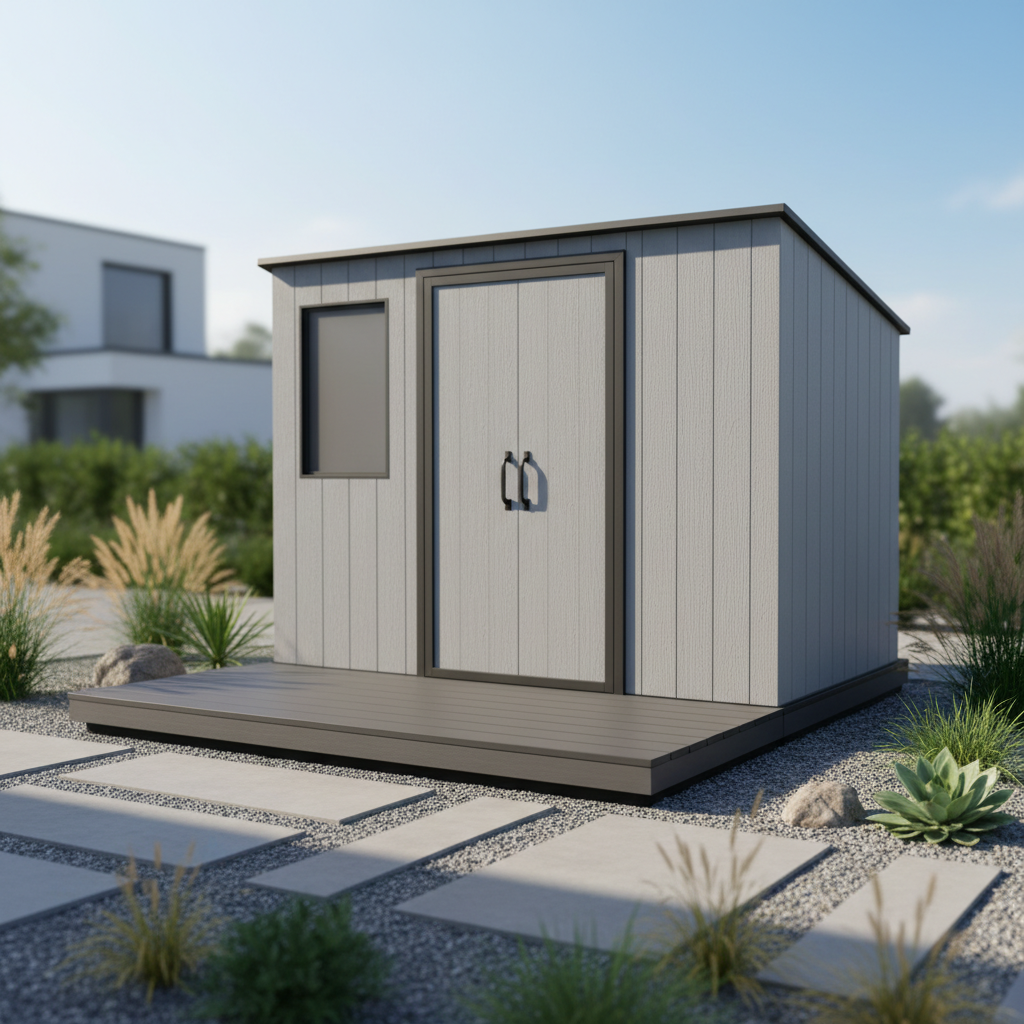
In the dynamic world of real estate development and property enhancement, every detail contributes to a property’s overall value, functionality, and appeal. For those in Stirling looking to invest in modern, sustainable properties or simply elevate their current living spaces, smart storage solutions are a critical consideration. When planning a new development or enhancing an existing property, thoughtful additions like a high-quality storage solution can significantly boost functionality and appeal. This is especially true for a vinyl shed with floor, which offers a blend of durability, aesthetics, and practicality for homeowners and investors alike, seamlessly integrating into contemporary property designs.
Far more than just a place to stash garden tools, a modern vinyl shed with a built-in floor represents a strategic investment in convenience, property aesthetics, and long-term value. Let’s delve into what makes these structures an increasingly popular choice for forward-thinking property owners and developers.
Why Choose Vinyl? Understanding the Material’s Appeal
Vinyl, or PVC (polyvinyl chloride), has emerged as a front-runner in outdoor construction materials, and for good reason. Its inherent properties make it exceptionally well-suited for sheds designed to withstand the unpredictable Scottish weather while requiring minimal upkeep. Unlike traditional wood, vinyl won’t rot, rust, or be eaten by pests, offering a peace of mind that is invaluable to busy homeowners and property managers.
Furthermore, vinyl sheds are renowned for their impressive durability and resistance to the elements. They stand strong against harsh UV rays, heavy rain, snow, and strong winds without fading, cracking, or warping. This means the shed you install today will maintain its attractive appearance and structural integrity for many years to come, contributing positively to the overall curb appeal of any property in Stirling’s vibrant communities.
The Advantage of an Integrated Floor
While some sheds are sold as wall-only kits, requiring you to construct a separate foundation or floor, a vinyl shed with an integrated floor offers distinct advantages. This built-in feature provides a complete, ready-to-use storage solution from the moment it’s assembled. It ensures a stable, level surface for your stored items, preventing them from resting directly on the damp ground.
The integrated floor acts as a crucial barrier, protecting your belongings from moisture, pests, and general ground-level debris. This is particularly important for sensitive items like power tools, outdoor cushions, or seasonal decorations. Moreover, a robust, pre-engineered floor often simplifies the installation process, as it eliminates the need for complex foundation work, saving both time and potential construction costs.
Key Benefits for Homeowners and Property Investors
For homeowners, a vinyl shed with a floor offers an immediate solution to common storage dilemmas. It helps declutter garages, basements, and even living spaces, providing a dedicated area for everything from garden equipment and bicycles to sports gear and camping supplies. This enhanced organization contributes to a more serene and functional home environment, aligning perfectly with the desire for modern, well-managed properties.
From an investor’s perspective, adding a high-quality vinyl shed can significantly increase a property’s marketability and perceived value. It’s an attractive amenity that potential buyers often appreciate, showcasing thoughtful property management and offering practical benefits. In Stirling’s competitive real estate market, such additions can set a property apart, making it more appealing to a broader range of tenants or purchasers seeking convenience and sustainability.
Sustainability and Modern Property Development
In an era where sustainability is paramount, vinyl sheds align well with eco-conscious property development principles. Their exceptional longevity means fewer replacements over time, reducing waste and the consumption of new resources. Many modern vinyl products are also recyclable at the end of their very long lifespan, contributing to a circular economy model.
Furthermore, the low maintenance requirements of vinyl sheds translate into reduced use of cleaning agents, paints, and other chemicals that might otherwise be needed for upkeep on traditional wooden structures. This minimal environmental footprint, combined with their practical utility, makes them an excellent choice for developers committed to building and managing sustainable communities in Stirling.
Installation, Maintenance, and Longevity
One of the most appealing aspects of vinyl sheds is their relative ease of installation. Often designed for DIY assembly, they come with clear instructions and pre-cut components, allowing homeowners or contractors to erect them efficiently. This streamlined process means less disruption to the property and quicker access to your new storage space.
Once installed, maintaining a vinyl shed is remarkably simple. A quick wash with a hose and mild detergent is usually all it takes to keep it looking pristine. There’s no need for sanding, staining, or painting, which saves significant time and effort over the years. This low-maintenance quality further enhances their appeal for both individual homeowners and property management companies.
Choosing the Right Vinyl Shed for Your Stirling Property
Selecting the perfect vinyl shed with a floor involves considering several factors to ensure it meets your specific needs and complements your property’s aesthetic. Start by assessing the required size; think about what you intend to store and ensure there’s enough space for both current and future items. Consider the shed’s footprint in relation to your garden or yard, ensuring it fits comfortably without overwhelming the space.
Next, pay attention to design and features. Modern vinyl sheds come in various styles, colours, and textures, many mimicking the look of traditional wood or contemporary finishes. Look for features like windows for natural light, vents for air circulation, and options for shelving or tool hangers to maximise internal organisation. Finally, always check local planning regulations in Stirling to ensure your chosen shed complies with any size or placement restrictions, although most smaller sheds fall under permitted development rights.
Conclusion
A vinyl shed with a floor is much more than a simple storage unit; it’s a smart, sustainable, and aesthetically pleasing addition to any property. Its unparalleled durability, minimal maintenance, and protective integrated floor make it an ideal choice for homeowners seeking to enhance their living spaces and for real estate developers focused on creating modern, high-value properties in Stirling. By investing in such a solution, you’re not just buying a shed; you’re investing in convenience, longevity, and the overall appeal of your property for years to come.
The Key to Luxury Developments: Why a Branch Chandelier for High Ceilings Matters
The Grand Entrance: Setting the Tone with Statement Lighting
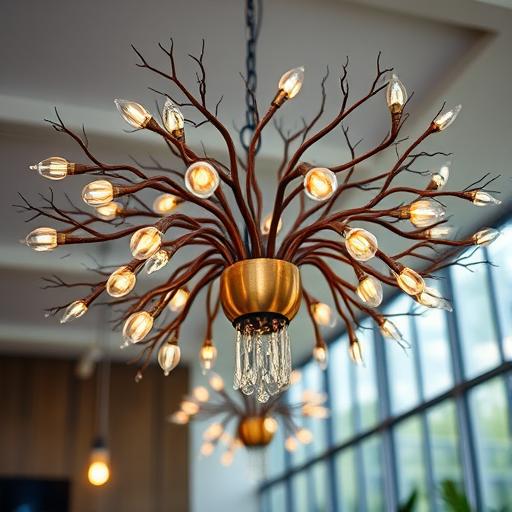
First impressions are everything, especially in luxury real estate. When a potential buyer or resident steps into a grand lobby with soaring ceilings, their immediate feeling sets the stage for their entire experience. A bare, cavernous space can feel cold and uninviting, but the right centerpiece, like a stunning branch chandelier for high ceilings, instantly communicates warmth, sophistication, and meticulous design. It acts as a bold declaration of the quality and character of the property before a single word is spoken.
This initial statement piece is more than just a light source; it’s a functional sculpture that commands attention. It guides the eye upward, encouraging visitors to appreciate the architectural volume of the space. In hotels, residential buildings, and custom homes, this fixture becomes an iconic part of the building’s identity. It’s the visual anchor that ties the entire design narrative together, promising an experience of comfort and splendor within.
What Makes a Branch Chandelier So Special?
Branch chandeliers draw their inspiration from the organic, imperfect beauty of nature. Their arms sprawl outwards like the limbs of an ancient tree, creating a captivating silhouette that is both dramatic and graceful. Unlike traditional, symmetrical chandeliers, the branch style offers a unique, artistic form that feels custom-made for the space it inhabits. This connection to natural forms brings a sense of serenity and life into even the most modern and minimalist interiors.
The beauty of these fixtures also lies in their incredible versatility. They can be found in a variety of finishes, from warm aged brass and bold matte black to shimmering polished nickel. Some designs incorporate delicate glass leaves or crystal buds that catch the light, while others remain purely sculptural with clean metallic lines. This adaptability allows designers to select a piece that perfectly complements the property’s aesthetic, whether it’s rustic-chic, contemporary glam, or timelessly traditional.
The Perfect Marriage: High Ceilings and Cascading Light
A room with high ceilings presents a distinct design challenge: how do you fill the vertical void without making the space feel cluttered or empty? This is where the branch chandelier truly shines. Its multi-dimensional structure occupies vertical space with purpose and elegance. It prevents the room from feeling top-heavy or bottom-heavy by creating a point of interest that bridges the gap between the floor and the ceiling.
By drawing the eye upwards, a large-scale branch fixture accentuates the height of the room, turning what could be an intimidating void into a celebrated feature. The light it casts is often layered, with bulbs positioned at different heights and angles, creating a soft, ambient glow that is far more inviting than a single, harsh light source. It fills the room with a gentle radiance that makes a large space feel intimate and welcoming.
Material Matters: Crafting an Atmosphere of Opulence
In luxury design, the quality of materials is paramount. A true statement chandelier is defined by the substances from which it is made. Forged iron, hand-finished brass, and sparkling, high-quality crystal are not just components; they are the building blocks of an opulent atmosphere. These materials have a weight and presence that cannot be faked, and they signal a commitment to enduring quality throughout the development.
The interplay between light and material is what creates the magic. Imagine how warm light reflects off a gilded metal finish, casting a golden hue across the room. Picture the way light refracts through dozens of crystal accents, scattering rainbow prisms across walls and floors. This sensory experience is what separates a standard building from a truly luxurious one, creating a memorable and rich environment for all who enter.
Beyond the Lobby: Branch Chandeliers Throughout a Development
While the lobby is the perfect stage for the grandest fixture, the design story shouldn’t end there. Using branch chandeliers of varying scales and styles in other common areas creates a cohesive and sophisticated design language. A consistent aesthetic through lighting tells residents and guests that every corner of the property has been thoughtfully considered. This creates a seamless flow from one space to the next.
For example, a more linear branch fixture could be suspended above a long table in a communal dining room or resident lounge. Smaller, more delicate versions might appear in corridors or above a concierge desk. In a penthouse suite, a dramatic branch chandelier over the main living area serves as a spectacular private feature, mirroring the grandeur of the building’s entrance and reinforcing the property’s luxury branding from the front door to the top floor.
Installation and Scale: Getting the Proportions Just Right
Choosing a chandelier is about more than just style; it’s about scale. A fixture that is too small for a room with high ceilings will look comically lost, diminishing its own impact and that of the architecture. Conversely, a piece that is too large can feel oppressive and overwhelm the space. Finding that “just right” size requires careful consideration of the room’s square footage, ceiling height, and surrounding furniture.
Proper installation is just as critical. These are often heavy and complex works of art that require professional handling. An experienced installer will ensure the fixture is securely mounted and hung at the correct height to achieve the desired effect. The right placement ensures it integrates perfectly with the room’s sightlines, becoming a focal point without obstructing views or feeling out of place. This final step is essential to realizing the full potential of the design.
The Lasting Impression: How Lighting Influences Perceived Value
Exceptional lighting is a powerful tool in real estate. A property that features memorable, artistic fixtures like a branch chandelier stands out in a crowded market. In photographs for listings and marketing materials, it creates an immediate “wow” factor that can capture a potential buyer’s interest. In person, it contributes to an emotional connection, making the space feel more valuable and desirable.
Ultimately, investing in a high-quality, large-scale light fixture is an investment in the property’s overall appeal and perceived worth. It is a detail that speaks volumes about the developer’s commitment to quality and luxury. It’s the unforgettable element that people will talk about long after they leave, and the warm, welcoming glow that makes a house, or a building, truly feel like a home.

Building Better Futures: How myStirling Is Shaping Sustainable Living in Urban Australia
In a time when livability, design, and environmental impact are more important than ever, myStirling stands at the forefront of innovative and sustainable urban development. With more than $600 million in completed projects since 2005, our legacy is built on more than just structures — we build communities with purpose.
A Vision Beyond the Build
At myStirling, we believe that great cities are shaped by more than infrastructure — they’re defined by how people live, connect, and thrive within them. That’s why we focus on urban infill and social infrastructure projects that enrich communities and maximise the potential of underutilised land.
We carefully select locations that have both cultural and lifestyle value — places where people want to live, work, and grow. From modern apartments and mixed-use precincts to vibrant public spaces, our projects are designed to integrate seamlessly into the fabric of their neighbourhoods.
Sustainability at the Core
Sustainability isn’t a trend — it’s a responsibility. Every myStirling development is designed with long-term environmental and social sustainability in mind. This means we incorporate:
- Energy-efficient design and green technologies
- Walkable, transit-connected communities
- Durable, locally sourced materials
- Public open spaces and green zones that promote wellbeing
We’re not just building for now — we’re building for the next generation.
Supporting Local Economies and Partnerships
A major part of our success is our deep-rooted collaboration with local councils, architects, engineers, and community stakeholders. By forging strong partnerships, we ensure that our developments reflect local values while delivering economic benefits through job creation, housing diversity, and long-term growth.
Looking Ahead
As we move into the future, myStirling remains committed to shaping high-quality living environments that set a new standard for Australian development. Whether it’s a boutique residential project or a large-scale urban transformation, our work is guided by a simple principle: live better, build smarter.
We invite you to be part of our journey as we continue to reimagine what living well looks like — one community at a time.